

If you need consistent sizes, reliable finishes, and tight tolerances, grinding is often the final step that makes a part “production ready”. It is also one of the hardest processes to quote confidently if you are ringing around. Qimtek is built for that moment. Post your drawings once, reach the right suppliers, and compare quotes without chasing.
Whether you need surface grinding services for flatness, cylindrical grinding services for shafts, or a specialist setup like internal grinding services, the key is matching the job to the right capability. This page breaks down what to ask for, what impacts price, and how to move quickly from RFQ to delivery.
Understanding CNC Grinding Services
What do cnc grinding services cover in practice?
CNC grinding is used to finish parts when size, form, and surface quality really matter. It can remove small amounts of material very accurately, which is why it is often used after heat treatment or when a component needs a controlled datum surface. When you post an RFQ on Qimtek, suppliers will typically respond based on the specific grinding method your part needs, plus inspection and delivery requirements.
Common types of work included in cnc grinding services are:
- Surface grinding services for flat faces, steps, datum pads, and tooling plates
- Cylindrical grinding services for shafts, journals, bearing seats, and tapers
- Internal grinding services for precision bores, tapers, and tight ID fits
- Centerless grinding services for volume pins, rollers, and small diameter parts
Because Qimtek lets you share drawings and context up front, you get responses from suppliers who can actually run the job, not generic quotes that unravel later.
Want multiple quotes without chasing? Post your RFQ here.
When should I choose grinding instead of milling or turning?
Grinding is usually the right call when the part is hard, the finish is critical, or you need geometry that is difficult to hold on a cutting tool alone. A common example is a hardened steel shaft that needs a bearing fit and low runout. Another is a tool steel block that must be flat and parallel for assembly. Stainless parts can also benefit when a smooth sealing face is needed.
If you are not sure, describe the functional requirement in your Qimtek RFQ. Many precision cnc grinding suppliers will suggest whether to grind after heat treat, what stock allowance to leave, and which datums to reference so the final part performs as intended.
Want a supplier to suggest the best route? Post your RFQ here.
Which materials are commonly ground, including hardened steel and tool steels?
Grinding is well suited to tough materials and finishing after heat treatment. The material affects wheel choice, feed rates, dressing frequency, and how heat is managed. That is why you will see price variation between otherwise similar parts.
Common grinding materials include:
- Hardened steel parts, often ground after hardening for final size and finish
- Stainless steels where finish and control are important
- Tool steel components where wear resistance is needed and machining may be slower
- Engineering steels and alloys where consistency matters across batches
When you request cnc grinding services, include the grade if you know it and whether the part is already hardened. If you only have a spec like “hardened to X HRC”, add that. Qimtek helps you capture these details once so multiple suppliers can quote accurately.
Want accurate quotes for hardened parts? Post your RFQ here.
Costs, Lead Times, and Precision
What affects cnc grinding cost and cnc grinding price?
CNC grinding cost is driven by setup time, the amount of material to remove, and how demanding the tolerance and finish requirements are. A simple face grind on a stable block is usually quicker than a long slender shaft where heat, deflection, and runout all need careful control. The more you can standardise the job, the easier it is for suppliers to offer a sharp cnc grinding price.
Typical cost drivers include:
- Material and condition, including grinding materials like hardened steel, stainless, and tool steel
- Stock allowance and variability in pre-machined dimensions
- Number of setups and the need for special mandrels, centres, or fixtures
- Grinding tolerances, including form control such as roundness or flatness
- Surface finish targets and whether spark-out or multiple passes are required
- Inspection and reporting expectations
On Qimtek, you can ask suppliers to quote a clear scope and state assumptions. That makes it easier to compare like-for-like and avoid surprises when you deal direct.
Want like-for-like pricing to compare? Post your RFQ here.
What grinding tolerances are realistic for common work?
Grinding can achieve very tight tolerances, but the realistic target depends on part geometry, material condition, batch size, and how the part is held. Even if a grinder can hit a very small tolerance, the cost can jump if it requires extra passes, specialist gauging, temperature control, or slower throughput.
To keep grinding tolerances practical and cost effective, it helps to:
- Only specify tight limits where function demands it
- Call out datum references clearly so the supplier knows what to control against
- Consider how the part will be located and clamped without distortion
- Note any runout, concentricity, flatness, or parallelism requirements that matter most
If you are not sure what to put on the drawing, describe the functional need in your Qimtek RFQ notes. Many UK suppliers will suggest a tolerance that meets the intent without forcing unnecessary cost.
Want suppliers to sanity-check your tolerances? Post your RFQ here.
How do cnc grinding lead times vary, and what can I do to speed things up?
CNC grinding lead times depend on shop capacity, setup complexity, and whether the job requires upstream processes like heat treatment. Short-run work can often be turned around quickly when drawings are clear and stock is ready. More complex parts may need fixtures, multiple operations, or detailed inspection, which adds time.
Lead time usually increases when:
- The part needs hardening or stress relief before grinding
- There are multiple grind operations such as OD plus internal grinding services
- Workholding is bespoke or datums are hard to access
- Full inspection reporting is required for every part
- Packaging, protection, or timed delivery is needed for a specific postcode
To speed things up, post complete information on Qimtek from the start. You will receive quotes that include realistic dates, and you can choose the supplier that best matches your delivery window and risk appetite.
Want to compare lead times as well as cost? Post your RFQ here.
Sourcing CNC Grinding Through Qimtek
How does Qimtek help me source cnc grinding UK suppliers efficiently?
Grinding is a specialist process, and the “best” supplier depends on what you are making. Some shops are set up for centerless grinding services on volume parts. Others focus on tool steel components and close-tolerance work. Qimtek helps you reach the right mix by distributing your RFQ to relevant cnc grinding uk suppliers, then letting you compare responses in one place.
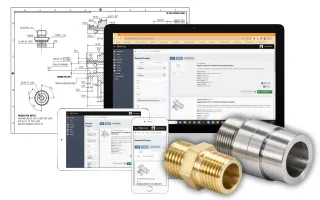
With Drag Drop Source you can:
- Upload drawings, specs, and supporting notes once
- Invite suppliers who match your process needs and material
- Compare cnc grinding quotes on price, lead time, and method
- Choose the supplier you trust, then deal direct
This keeps procurement simple and reduces the time you spend chasing availability across the supply chain.
Want to reach the right suppliers fast? Post your RFQ here.
What should I upload to Drag Drop Source to get the best response?
Drag Drop Source works best when suppliers can review everything they need in one go. That reduces delays and improves the quality of quotes. If you are buying on behalf of a team, it also gives you a single RFQ pack you can share internally.
A strong upload usually includes:
- 2D PDF drawing with clear callouts
- 3D model file where available
- Notes on material, hardness, and any finishing or cleaning requirements
- Quantity, target date, and delivery postcode
- Any constraints, such as protected surfaces, masking, or no grind zones
Once uploaded, suppliers can respond with questions or quotes. You stay in control, compare options, and then move forward with the supplier that fits your procurement needs.
Want a simple way to share drawings and get quotes? Post your RFQ here.
What should I confirm before placing an order for CNC grinding service work?
Before you place an order, make sure the supplier’s plan matches your drawing intent and how the part will be measured. This is where small misunderstandings can cause delays, especially on tight fits and form control.
A sensible pre-order check:
- Confirm which features are ground, and which are left as-machined
- Agree the datum scheme and the inspection method for runout or form
- Confirm material condition, including hardness and any coatings
- Confirm surface finish requirements and where they apply
- Agree sampling and reporting expectations
- Confirm packaging and delivery details to your postcode
Qimtek helps you start with clearer RFQs, so the final confirmation step is quick and practical. Once you choose a supplier, you deal direct to keep communication simple.
Want a quote that includes inspection detail? Post your RFQ here.
Ready to move? Upload your drawings to Qimtek Drag Drop Source, explain what matters most, and get multiple cnc grinding quotes from UK suppliers you can deal with direct.