

When you need turned parts, speed matters. So does getting the right capability first time. Whether you are buying a simple spacer or a tight-tolerance shaft, CNC turning is usually one of the fastest routes from drawing to delivered parts, if you match the job to the right shop.
Qimtek helps you do that without a long email chain. Upload your drawings once, explain what matters, and compare quotes from UK cnc turning suppliers who are set up for the work. You keep control of the decision, and you deal direct with the supplier you choose.
Understanding CNC Turning Services
What types of parts suit CNC turning best?
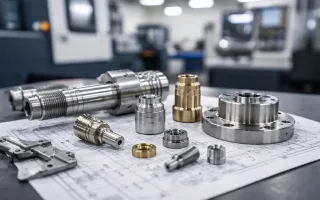
CNC turning is ideal when the part’s main features are centred around a rotational axis. Think shafts, pins, bushes, spacers, threaded components, sleeves, rollers, and many types of housings. A CNC lathe can turn diameters, face ends, cut grooves, add chamfers, and create threads with repeatability. Many suppliers also offer mill-turn capability, so you can add flats, cross holes, keyways, or milled pockets in the same setup.
If your drawing is mostly diameters, lengths, radii, and concentric features, turning is often the most efficient route. On Qimtek, you can describe the function of the part and any critical features, then compare cnc turning quotes from suppliers who already run similar work and can quote confidently.
Want multiple quotes without chasing? Post your RFQ here.
What should I include in an RFQ for CNC lathe turning?
A clear RFQ reduces assumptions, speeds up quoting, and helps you compare like-for-like. If you can, include a PDF drawing plus a STEP file, quantity, material, and any inspection requirements. On Qimtek’s Drag Drop Source, you can add notes that suppliers see alongside the files, which is useful when the drawing does not tell the full story.
Include what matters most for your application:
- Quantity and whether this is a one-off, prototype, or repeat batch
- Material and grade (or acceptable alternatives)
- Surface finish and any cosmetic faces
- Threads and standards (metric/UNC/UNF, class, and any thread gauges required)
- Any special processes (heat treat, plating, anodising, passivation)
- Delivery postcode and required date
This is also a good place to state if you need a single cnc turning service to support repeat orders, or if you simply want the best option for this job.
Ready to compare quotes from UK suppliers? Upload your drawings here.
Which materials are commonly used for CNC turned parts?
Most UK turning shops regularly machine aluminium, stainless steels, mild steel, brass, and a wide range of engineering plastics. The right choice depends on strength, corrosion resistance, weight, conductivity, and how the part will be used. When you post on Qimtek, you can specify a grade or ask for alternatives, and suppliers can respond with what is readily available and sensible for your lead time.
Common cnc turning materials include:
- Aluminium (often used for lightweight parts and good machinability)
- Stainless steel (for corrosion resistance and strength)
- Plastics (such as acetal, nylon, PEEK, PTFE, and ABS depending on performance needs)
- Brass and bronze (for wear, conductivity, and clean machining)
If material certification matters, note this in the RFQ. Many cnc turning suppliers can provide certs and full traceability, but it should be priced and planned in from the start.
Want faster, clearer quotes? Add your material and quantity and post here.

CNC Turning Costs, Lead Times, and Precision
What drives CNC turning cost and price?
CNC turning cost is rarely just “machine time”. The total cnc turning price is shaped by setup effort, material, tooling, cycle time, and inspection. Two parts that look similar can price very differently if one needs special workholding, delicate features, or detailed measurement reporting.
Main cost drivers include:
- Setup and programming time, especially for first-off work
- Material type, size, and whether it is bar-fed or from billet
- Complexity (grooves, deep bores, thin walls, awkward features)
- Tooling needs (special inserts, drills, reamers, thread mills, form tools)
- Tolerances and inspection effort
- Secondary operations (deburr, polish, heat treat, coating)
Qimtek helps because you can get multiple cnc turning quotes from suppliers who are already equipped for your type of work. That tends to reduce “unknowns” and makes it easier to understand why one quote is higher or lower. It also helps you avoid pricing based on guesswork.
Want a clear quote for cnc turning from several shops? Post your RFQ here.
What lead times should I expect for CNC turning?
CNC turning lead times vary by material availability, batch size, and how busy the shop is. Simple parts from common aluminium or stainless bar can sometimes be turned quickly, while larger diameters, unusual grades, or extra finishing steps can add days. If you have a delivery deadline, include it in your RFQ so suppliers can confirm what is realistic before you place an order.
Typical lead time factors include:
- Material stock and cut-to-length availability
- Quantity and whether it is a prototype or production run
- Whether the part needs special tooling or a trial cut
- Inspection and paperwork requirements (FAI, material certs, reports)
- External processes such as plating, anodising, or heat treatment
With Qimtek, you are not waiting for one supplier to come back and then starting again. You can compare responses in parallel, choose the best-fit supplier, and deal direct to confirm delivery dates to your postcode.
Need parts by a certain date? Upload drawings and ask for lead times here.
How should I specify CNC turning tolerances and inspection?
Good tolerance callouts make quoting faster and reduce the risk of rework. Only tighten what needs to be tight. Over-specifying can increase cost and slow production because the shop must slow feeds, take finishing passes, and spend more time checking dimensions. If your part has one functional diameter, focus your precision there and keep non-critical features sensible.
When asking for precision cnc turning, consider including:
- Critical dimensions and datums clearly marked on the drawing
- Geometric controls if needed (concentricity, runout, flatness, cylindricity)
- Surface finish requirements on functional faces
- Thread tolerances and gauges (and whether you need go/no-go results)
- Inspection level (spot check, full batch inspection, or measurement report)
On Qimtek, you can add notes like “critical to bearing fit” or “seal face” so cnc turning suppliers understand the intent. That helps them choose the right inspection approach and quote accurately rather than padding the price for risk.
Want accurate quotes based on real tolerances? Add your drawing and post here.
Sourcing CNC Turning Through Qimtek
How does Qimtek help me compare CNC turning quotes?
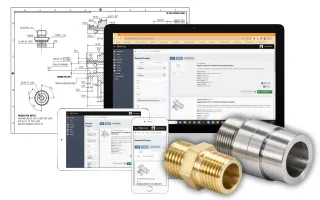
Qimtek is built for buyers who want options without adding admin. You upload your drawings and RFQ details once using Drag Drop Source. Relevant UK cnc turning suppliers can then quote, ask questions, and confirm capability. You can compare responses side by side and pick the supplier that fits your priorities, whether that is price, delivery, quality documentation, or capacity for repeat work.
You also deal direct with the supplier, so technical questions get answered quickly and you stay in control of terms, PO process, and delivery requirements. If you are sourcing cnc turned custom parts, that direct line matters because small clarifications often make the difference between a smooth first batch and a messy one.
Want to compare cnc turning quotes from UK shops? Post your RFQ here.
What should I look for when choosing a CNC turning supplier?
The best supplier is the one that matches your part requirements and can repeat the result reliably. Price matters, but so do quality controls, communication, and capacity. Qimtek helps you reach suppliers who are used to quoting engineering work, so you can focus on fit rather than searching from scratch.
Practical checks to make before placing an order:
- Do they have the right machine size and workholding for your diameters and lengths?
- Can they meet your specified cnc turning tolerances and provide the inspection evidence you need?
- Are they familiar with your material and any secondary processes?
- Can they support repeat supply, or is this a one-off rush job?
- Do they communicate clearly about lead time, packaging, and delivery to your postcode?
If you need a steady relationship, it can help to choose a cnc turning service that has the inspection capability and capacity to grow with you. If you need speed, prioritise responsiveness and realistic delivery commitments.
Want to reach the right supplier faster? Upload your drawings here.
How do I speed up quoting and reduce back-and-forth?
The fastest quotes happen when suppliers can see exactly what they are making, what matters, and what quantity you need. If details are missing, a shop has to guess, or pause to ask questions. Either way, it slows you down. On Qimtek, you can put the key details right next to the drawing so suppliers can quote with confidence.
To reduce back-and-forth, include:
- One clear drawing revision (avoid multiple versions)
- A short note on the part function and critical features
- Quantity breaks if you want options (for example 10, 50, 200)
- Material grade or acceptable alternatives
- Finish requirements and any “must not mark” faces
- Inspection needs and whether you require a report
- Delivery deadline and postcode
This is practical content that helps suppliers give a better quote for cnc turning and helps you compare offers that are genuinely comparable. If you are moving from prototype to small batch, mention that too so the supplier can advise on the most efficient approach.
Want quotes with fewer follow-up questions? Post your RFQ here.
If you are ready to move, upload your drawings to Drag Drop Source and get multiple quotes from UK cnc turning suppliers, then deal direct to place the order with confidence.