

Pressure vessel fabrication can involve much more than simply sending out a drawing for price. Material choice, vessel size, code requirements, welding approvals, inspection needs and documentation can all affect which suppliers are right for the job. A company suited to a straightforward carbon steel vessel may not be the best fit for a stainless steel build, a coded assembly or a project with tighter testing and traceability requirements. When the specification is clear and the supplier is well matched, it becomes much easier to get accurate quotes, reduce back-and-forth and move into manufacture with confidence.
Qimtek helps you reach UK suppliers already looking for this kind of work. Instead of contacting one company at a time, you can share your RFQ once, compare responses from relevant pressure vessel fabrication suppliers and move forward with the companies best placed to deliver your job.
Understanding Pressure Vessel Fabrication Services
What is a pressure vessel and what is it used for?
A pressure vessel is a container designed to hold gases or liquids at a pressure different from the surrounding environment. In practice, that can cover a wide range of equipment, from air receivers and storage tanks to process vessels, separators, heat-related assemblies and stainless units used in hygienic or corrosive service. The exact design depends on what the vessel needs to contain, the operating conditions and the code or standard being followed.
- Pressure vessels are commonly used across industries such as:
- Manufacturing and general plant
- Food and drink processing
- Chemical and pharmaceutical production
- Energy and utilities
- Water treatment and process systems
- Oil, gas and related industrial sectors
Some vessels are built for simple storage, while others are designed for mixing, heating, cooling, separation or holding product under controlled pressure and temperature. That is why buyers often need more than a basic fabrication service. Material choice, compliance requirements, testing scope and documentation can all vary depending on the vessel’s end use.
Through Qimtek, you can share your requirement with UK suppliers experienced in pressure vessel fabrication services and compare responses from companies suited to the type of vessel you need.
Need quotes for your vessel requirement? Get quotes now.
How are pressure vessels manufactured?
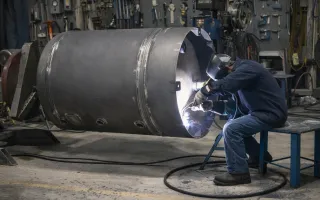
Pressure vessels are usually manufactured through a combination of plate rolling, forming, cutting, welding, fitting, inspection and testing. The exact route depends on the vessel size, material, wall thickness, code requirement and the number of nozzles, supports or internal features involved. A simple vessel may follow a fairly direct build path, while a more complex assembly may involve multiple fabrication stages and hold points for inspection.
- A typical pressure vessel fabrication process may include:
- Cutting and preparing plate or shell sections
- Rolling shells to the required diameter
- Forming or fitting ends and heads
- Welding shell seams, nozzles, flanges and supports
- Checking dimensions, alignment and fit-up
- Carrying out NDT, hydrotest or other specified testing
- Applying surface treatment, passivation, paint or finishing
- Preparing documentation and certification packs where required
Where coded welding pressure vessels are involved, the manufacturing route also needs to reflect approved weld procedures, welder qualifications and inspection requirements. That is why the quality of the RFQ matters. Suppliers need enough information to judge not only whether they can build the vessel, but whether they can build it to the required standard, documentation level and delivery timescale.
Qimtek helps buyers reach suppliers already set up for this type of work, making it easier to compare realistic quotes and lead times from relevant UK manufacturers.
Want to compare suppliers for your vessel build? Get quotes now.
What types of pressure vessels can be made?
Pressure vessels can be made in many forms depending on the application, pressure duty, material and installation layout. Some projects call for small receivers or standard-format vessels, while others need fully custom pressure vessels with specific nozzle layouts, supports, internal features or surface finishes. The right manufacturing approach often depends on both the technical requirement and the intended end use.
- Common types of pressure vessels include:
- Horizontal pressure vessels
- Vertical pressure vessels
- Air receivers and storage vessels
- Stainless steel pressure vessels
- Carbon steel pressure vessels
- Jacketed or insulated vessels
- Process vessels with multiple nozzles and connections
- One-off custom builds and repeat production vessels
Some buyers need a single replacement unit. Others need repeat manufacture, staged project supply or a vessel integrated into a wider fabricated assembly. Not every pressure vessel manufacturer is equally suited to every type of job, which is why supplier fit matters alongside technical capability.
With Qimtek, you can upload your drawings once and compare quotes from UK pressure vessel fabrication suppliers that match the type of vessel, material and production requirement you are sourcing.
Need quotes for custom or repeat vessel work? Get quotes now.
Which materials are commonly used for custom pressure vessels?
Material choice depends on pressure, temperature, corrosion risk, product contact and budget. Many enquiries for custom pressure vessels start with carbon steel because it is widely available and cost effective for general industrial duty. Stainless steel pressure vessels are common where corrosion resistance, hygiene or cleanability matter. Duplex may be chosen where higher strength and corrosion resistance are both needed.
Common pressure vessel fabrication materials include:
- Carbon steel for general industrial service
- Stainless steel for corrosive, hygienic or clean-process applications
- Duplex for more demanding chemical or offshore-related duty
It also helps to state whether the vessel needs full material traceability, PMI, certificates or specific parent material sources. Not every supplier holds the same stock profile or has the same experience across carbon steel pressure vessels and stainless builds. Qimtek helps you reach suppliers whose capabilities line up with the material and fabrication route you need, rather than relying on broad directory searching.
Looking to compare suitable suppliers? Get quotes now.

Pressure Vessel Costs, Lead Times, and Precision
What affects pressure vessel fabrication cost and price most?
Pressure vessel fabrication cost is shaped by a mix of material, labour, compliance and logistics. Simple vessels with straightforward geometry and low documentation needs are very different from heavily specified units with multiple nozzles, formed heads, extensive testing and full quality packs. That is why pressure vessel fabrication price can vary sharply between projects that look similar at first glance.
Main cost drivers often include:
- Material type and section thickness
- Shell diameter, overall length and weight
- Number of nozzles, bosses, flanges and supports
- Rolled sections, dished ends and formed components
- Weld volume and coded welding requirements
- NDT, pressure testing and third-party inspection
- Surface treatment, insulation supports or cladding
- Documentation packs and traceability levels
- Transport, lifting and delivery restrictions
If you want a useful comparison, suppliers need the full picture. Uploading drawings and specifications through Qimtek helps avoid soft estimates based on incomplete information, which is especially important for higher value pressure vessel fabrication services.
Need clearer price comparisons? Get quotes now.
What approvals should you look for when choosing a pressure vessel supplier?
Approvals matter because pressure vessel work often involves more than basic fabrication skill. Depending on the application, design code and inspection scope, buyers may need a supplier with the right welding qualifications, quality systems and code-related experience already in place. The exact approvals needed will vary from one job to another, but checking them early helps avoid delays and unsuitable quotes.
- Common things to look for include:
- Relevant quality management systems such as ISO 9001
- Coded welding approvals and qualified weld procedures
- Welder qualifications matched to the material and process
- Experience working to the required design code or standard
- Access to NDT and inspection support
- Material traceability and certification control
- Testing capability for hydrotest, pneumatic test or other specified requirements
- Ability to provide documentation packs and manufacturing records
For some vessels, buyers may also need third-party inspection involvement or evidence that the supplier regularly handles coded pressure vessel fabrication. A company may be capable of general fabrication but still not be the right fit if the approval route, documentation level or compliance scope goes beyond its normal work.
Qimtek helps you compare UK suppliers that are suited to the technical and commercial demands of the job, so you can focus on manufacturers whose capability matches the vessel requirement from the start.
Need quotes from suitable pressure vessel suppliers? Get quotes now.
What should you include when requesting pressure vessel fabrication quotes?
The more complete your RFQ, the easier it is for suppliers to give a firm and realistic quotation. Pressure vessel fabrication quotes usually depend on much more than overall size and material. Buyers normally need to show the design basis, code requirements, testing scope and any special documentation expected with the finished unit.
A strong enquiry pack often includes:
- General arrangement and fabrication drawings
- Design code or standard being worked to
- Material grades and thicknesses
- Operating pressure, temperature and service conditions
- Weld details and any coded welding pressure vessels requirement
- NDT, hydrotest or pneumatic test expectations
- Surface finish, paint system, pickling or passivation needs
- Nozzle schedule, flanges, supports and lifting points
- Quantity, delivery postcode and required date
When you upload that information through Qimtek, suppliers can assess the job properly from the start. That usually means fewer follow-up questions and a better comparison between quotes.
Need several quotes without the chase? Get quotes now.
Sourcing Pressure Vessel Fabrication Through Qimtek
How can you compare UK suppliers without manually contacting each one?
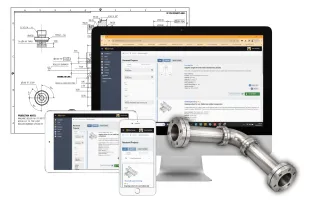
Traditional sourcing can be slow. You email a few known contacts, wait for replies, answer the same questions several times and still wonder whether a better fit exists elsewhere. Qimtek simplifies that process by letting you upload your enquiry once and receive responses from relevant UK suppliers who want to quote.
That is useful when you need to compare:
- Technical fit for the vessel type
- Pressure vessel fabrication price and commercial terms
- Lead time and delivery timing
- Material capability across carbon steel, stainless steel and duplex
- Capacity for one-offs, pilot builds or ongoing batches
You stay in control of the RFQ, the drawings and the supplier conversations, while gaining wider market reach than a one-by-one approach usually gives.
Want quotes in one place? Get quotes now.
Can Qimtek help with one-off vessels as well as repeat production?
Yes. Some buyers need a single replacement vessel, a prototype unit or a custom pressure vessel built for a new installation. Others need repeat manufacture, framework supply or staged deliveries across a project. The right supplier profile can be different in each case.
For one-off work, you may prioritise technical support, flexibility and the ability to handle design queries quickly. For repeat orders, consistency, documentation control and production planning often matter more. Qimtek helps with both by opening your enquiry to suppliers that suit the workload and response style you need.
This is especially helpful when moving from a development unit into a production requirement. You can compare whether the original supplier remains the best fit or whether another manufacturer offers stronger ongoing capacity and commercial terms.
Need support from prototype to production? Get quotes now.
Why does direct contact after quoting matter on pressure vessel jobs?
Once quotes arrive, buyers often need to discuss details before placing an order. That may include testing scope, weld mapping, certificate packs, delivery access, packaging or minor drawing revisions. For pressure vessel fabrication, those points can change cost and programme, so direct supplier communication matters.
Qimtek supports that practical workflow. You can compare incoming quotes, identify the strongest options and then deal direct with the suppliers on the technical and commercial details that need closing out. That keeps the process efficient without taking control away from your team.
Upload your drawings to Drag Drop Source to receive multiple quotes from UK suppliers and move forward with the pressure vessel fabrication service that best matches your requirement.