

When you need parts made from sheet metal, the challenge is rarely finding a supplier. It is finding the right supplier for the material, tolerance, volume, finish, and delivery window you actually need. General sheet metal services cover a broad range of everyday fabrication requirements, from simple folded brackets and covers through to enclosures, panels, trays, guards, and formed parts for larger assemblies. For buyers, engineers, and procurement teams, the real value comes from matching each job to a supplier that is set up for the work, can quote clearly, and can deliver to your postcode without unnecessary delay.
That is where a practical sourcing route matters. With Qimtek, you can send one RFQ and compare responses from UK manufacturers that understand fabrication, lead times, material availability, and production constraints. Instead of chasing individual firms one by one, you get a more efficient way to review capability, pricing, and fit before placing an order.
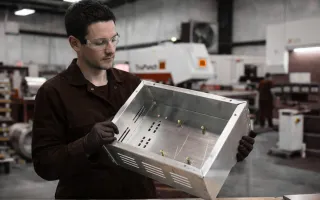
Understanding General Sheet Metal Services
What does general sheet metal usually include?
General sheet metal services usually cover the fabrication of parts and products made from flat sheet stock using common workshop processes. In many buying situations, that means laser cut blanks, folded parts, formed sections, pierced holes, countersinks, inserts, light fabrication, and finished items ready for assembly or dispatch. It can include one-off prototypes, repeat batches, and ongoing production runs depending on the supplier.
Typical items sourced through general sheet metal suppliers include:
- Brackets and mounting plates
- Machine guards and safety covers
- Electrical enclosures and cabinets
- Panels, trays, channels, and folded sections
- Housings, boxes, and light frames
- Components for welded or bolted assemblies
Many jobs will bring together sheet metal cutting services, sheet metal bending services, and sheet metal forming services in the same order. That is why clear drawings and sensible RFQ detail matter. A supplier may be ideal for simple folded stainless parts but less suited to cosmetic aluminium housings or fine tolerance production work. Qimtek helps you compare options based on the actual job, not just a broad claim of capability.
Need several quotes without chasing? Get quotes now.
Which materials are commonly used for general sheet metal work?
The best material depends on where the part will be used, how it will be finished, and how tightly cost needs to be controlled. Mild steel is common for general industrial parts and fabricated structures where strength and value matter. Stainless steel is often chosen for corrosion resistance, hygiene, or a cleaner appearance. Aluminium is widely used where lower weight, corrosion resistance, or easier handling is needed.
Thin gauge sheet metal is often used for covers, casings, and lighter formed parts, while thicker gauges suit more rigid panels and structural items. Fine limit sheet metal services may be more suitable where part size is small, tolerances are tighter, and edge or bend quality is under closer control. Not every supplier is equally strong across every material and thickness range, so a broad RFQ can save time when the job could fit more than one route.
Useful RFQ details normally include:
- Material grade and thickness
- Any critical dimensions or tolerances
- Surface finish requirements
- Welded, assembled, or inserted features
- Whether cosmetic faces need protection
- Required quantity now and likely repeat demand
Qimtek gives buyers a better way to find manufacturers that match those needs. Instead of guessing whether a supplier handles stainless regularly or has the right setup for aluminium panels, you can compare responses from firms that review the same drawing pack and quote against the same brief.
Want fast quote comparisons? Get quotes now.
When is general sheet metal the right fit, and when is a more specialist route better?
General sheet metal is the right fit when the work sits within standard fabrication practice and does not need a highly niche process or unusual material route. Many production parts can be made efficiently using conventional cutting, folding, forming, hardware insertion, and light finishing. This is often the best route for buyers who want reliable manufacture, competitive pricing, and straightforward repeatability.
There are times when a more specialist route makes sense. Fine limit work may be better for thinner materials and tighter requirements. Deep drawing, presswork, or dedicated tooling may be worth considering for very high volumes. Some buyers also need specialist cosmetic finishing, unusually tight bend sequencing, or sector-specific compliance. Even then, the starting point is still a well-prepared fabrication enquiry.
Through Qimtek, buyers can test the market more effectively. If a part can be produced through general sheet metal services, you will quickly see where there is competitive interest. If the drawing points toward a more specialist capability, the quoting responses often make that clear early, which helps prevent wasted time in procurement.
Ready to compare supplier fit? Get quotes now.
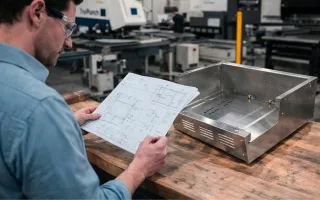
Costs, Lead Times, and Precision
What affects the cost of general sheet metal services?
Cost is driven by more than sheet size and material price. Buyers often get better results when they look at the whole manufacturing route. A simple folded mild steel bracket with loose tolerances will not be quoted the same way as a brushed stainless enclosure with inserts, countersinks, and visible faces that must stay free from marking.
Main cost drivers usually include:
- Material type, grade, and thickness
- Part size and sheet utilisation
- Number of bends, forms, and secondary operations
- Cutting time and hole complexity
- Finishing requirements such as powder coating or deburring
- Assembly, welding, or hardware insertion
- Batch size and repeat scheduling
- Packing and delivery requirements
General sheet metal quotes can vary sharply when suppliers have different machine utilisation, buying power, and workflow. One manufacturer may be highly competitive on mid-volume folded aluminium parts, while another may price better on heavier mild steel production. Qimtek helps buyers compare those differences without running a separate tender process with every firm on their shortlist.
Want competitive prices from several firms? Get quotes now.
How quickly can sheet metal parts be delivered?
Lead times depend on the complexity of the work, current factory loading, material stock, finishing requirements, and order quantity. Straightforward jobs can move quickly when drawings are clear and materials are standard. More involved parts may need extra time for tooling setup, sample approval, subcontract finishing, or staged deliveries.
For buyers trying to improve delivery confidence, it helps to separate urgent prototype needs from longer-term production requirements. A supplier that can turn around a small batch quickly may not be the best long-run option for repeated demand, and the opposite can also be true. That is why comparing several UK suppliers can be useful when delivery pressure is high.
To help shorten lead time risk, provide:
- Accurate CAD files and dimensioned drawings
- Required quantity and any call-off expectation
- Material and finish specification
- Whether part marking, labels, or kits are needed
- Target delivery date and delivery postcode
- Any inspection or approval stage before full production
With Qimtek, your enquiry can reach manufacturers able to review the work against their available capacity. That can be especially helpful if you are sourcing general sheet metal service support for a live project, replacement part programme, or urgent machine build.
Need quicker lead time options? Get quotes now.
How precise can general sheet metal fabrication be?
Precision depends on the part design, material behaviour, thickness, tooling condition, and process control. Good suppliers can achieve excellent repeatability on many general sheet metal components, but tolerances should always reflect what is functionally necessary. Over-specifying dimensions that do not affect fit or performance can increase price and reduce supplier choice.
Precision sheet metal fabrication often comes down to asking the right questions early. Are there critical hole positions relative to folds? Does the part need to align with bought-out hardware? Are visible gaps, flush faces, or cosmetic finishes important? Is springback likely to affect the final form? The clearer these points are, the better a manufacturer can quote and produce consistently.
Useful areas to flag on the drawing or RFQ are:
- Critical datums and inspection points
- Functional tolerances versus general tolerances
- Bend angle requirements
- Flatness expectations after cutting or welding
- Edge condition and burr limits
- Any assembly interfaces that must line up first time
Where the work moves toward thinner materials, tighter tolerances, or more delicate features, some buyers may also compare against fine limit sheet metal service providers. Qimtek gives you a practical way to test which type of supplier is the better match before committing.
Want accurate quotes for precise parts? Get quotes now.
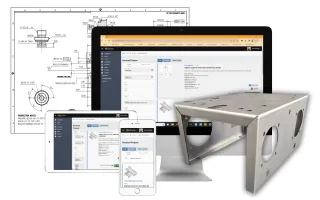
Sourcing General Sheet Metal Through Qimtek
How do you improve the quality of a sheet metal RFQ?
A better RFQ usually leads to better pricing, fewer assumptions, and less back-and-forth after quoting. Buyers often save time by giving suppliers enough information to judge process route, production risk, and delivery requirements from the start. That does not mean producing a huge tender pack. It means being specific where it matters.
A strong enquiry normally includes:
- 2D drawings and, where possible, 3D files
- Material specification and thickness
- Required quantity, prototype need, and repeat potential
- Finish, assembly, and packaging requirements
- Delivery location and deadline
- Any quality documentation or inspection expectations
General sheet metal services cover a wide enough range that small missing details can change the quote significantly. A missing finish note, unconfirmed grade, or unclear bend direction can lead to avoidable delays. Using Qimtek helps you put one clear enquiry in front of multiple UK suppliers, making it easier to compare like-for-like responses and move faster toward order placement.
Want cleaner RFQs and better replies? Get quotes now.
What should you look for in general sheet metal suppliers?
The right supplier is not always the cheapest initial quote. Buyers usually want a manufacturer that can handle the material and process mix, communicate clearly, and deliver consistently. That may mean looking at experience with similar parts, willingness to review drawings properly, and whether the supplier can support future production as well as the immediate need.
Questions worth considering include:
- Do they regularly handle your chosen material and thickness?
- Can they manage the full route or will key steps be subcontracted?
- Are they stronger on prototypes, repeat batches, or production volumes?
- Can they support postcode delivery requirements and packaging needs?
- Do their quote assumptions match the drawing intent?
- Are they realistic about lead times and inspection requirements?
Qimtek helps buyers compare general sheet metal suppliers in a way that is grounded in the work itself. Rather than relying on directory listings alone, you can judge suppliers through their response to your actual enquiry, which often tells you more about capability and fit than a broad claim on a profile ever could.
Need help finding the right supplier? Get quotes now.
Why compare multiple quotes instead of going straight to one manufacturer?
Comparing quotes gives you a clearer view of the market before you commit. It helps you test price, lead time, capability, and communication quality in one process. That matters when the job has to land with a supplier that can do more than simply cut and fold. You may need better finishing control, a stronger approach to repeat batches, or a more realistic delivery promise.
It also reduces the risk of settling too early. One supplier may price aggressively but push delivery. Another may understand the build sequence better and suggest a smarter route. A third may be better suited to ongoing supply after the first order. Seeing those options side by side makes procurement more informed.
Qimtek is built around that comparison value. You can upload drawings to Drag Drop Source, reach relevant UK manufacturers, and deal direct once you decide who fits your requirement best. Whether you need a one-off fabricated part, a repeat batch of folded components, or broader general sheet metal support for an active programme, the ability to compare multiple quotes can save time and improve outcomes.