

Tool making can make or break a project. A well-built jig, fixture, press tool, or mould tool keeps parts consistent, reduces scrap, and protects your production schedule. The challenge is finding the right UK capability quickly, with clear pricing and realistic lead times. This page explains what to share, what to expect, and how to compare quotes without the usual back and forth.
Whether you need a one-off check fixture for inspection, a repeatable drilling jig, or press tool making for high volume forming, Qimtek helps you reach toolmaking suppliers who are set up for the work and ready to quote.
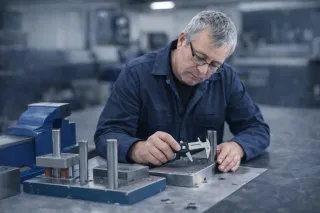
Understanding CNC Tool Making Services
What falls under CNC tool making services, and what should you ask for?
Tool making covers the design and build of tooling that supports manufacturing. It can be as simple as a location jig for assembly, or as complex as a multi-stage press tool for progressive forming. CNC tool making services usually include machining, fitting, and proving, plus any heat treatment and surface finishing needed to achieve tool life.
Common categories buyers source through Qimtek include:
- Jigs and fixtures manufacturing for repeatable production and accurate workholding
- Press tool making for blanking, piercing, forming, and progressive tooling
- Mould tool making for plastics or rubber, including inserts and cavities
- Custom tooling such as drill guides, trimming fixtures, or bespoke cutting tools
- Die making services for forming and cutting operations where durability matters
If you are unsure what you need, describe the process you are trying to control (drilling, welding, assembly, inspection, pressing, moulding) and the pain point (variation, cycle time, rework). On Qimtek, you can post an RFQ with drawings, photos, and a short description of how the tool will be used, then compare quotes from UK toolmaking suppliers who can match that requirement.
'Want multiple quotes without chasing? Post your RFQ here.'
What information helps a toolmaker quote accurately first time?
Toolmaking quotes go wrong when the scope is unclear. A toolmaker needs enough detail to price materials, machining, fitting, and proving time, plus any bought-in components. The more you can show up front, the fewer surprises later.
Include these in your RFQ where possible:
- Part drawings and CAD models, plus any tolerances that drive the tool design
- Process details: press tonnage, moulding machine size, or the production method the tool supports
- Target output: prototype, low volume, or ongoing production quantities
- Material for the tool: aluminium for lightweight fixtures, or steels for wear and tool life
- Interface points: clamp locations, datum scheme, and how the operator will load/unload
- Quality expectations: inspection approach, gauge R&R needs, or any proving requirements
- Delivery needs: required-by date, postcode delivery, and whether staged delivery is acceptable
Using Qimtek, you can attach drawings and add notes like “must locate on datums A/B/C” or “needs quick-change clamping for cycle time”. That helps suppliers respond with clearer toolmaking quotes, and it makes comparisons fairer across different approaches.
'Ready to compare tooling quotes quickly? Upload your RFQ here.'
How does the build process typically work from concept to prove-out?
Most tooling follows a similar path, even though the details vary between jigs, fixtures, press tools, and mould tools. Knowing the steps helps you plan internal approvals, trials, and production start dates.
A typical toolmaking workflow looks like this:
- Review and clarification: supplier checks drawings, use case, and access for loading and clamping
- Design (if required): tooling concept, datum strategy, wear surfaces, and safety considerations
- Manufacture: CNC machining, EDM where needed, grinding, and component preparation
- Fitting and assembly: hand fitting, spotting, alignment, and bought-in component integration
- Heat treatment and finishing: hardening, nitriding, coatings, or polishing depending on tool type
- Proving: try-out, first-off checks, adjustments, and sign-off against agreed criteria
- Handover: documentation, spares advice, and any maintenance guidance
When you source through Qimtek, you can ask suppliers to state what is included for design, proving, and sign-off. That clarity makes it easier to choose between a faster concept build and a more robust tool that is optimised for long-term production.
'Need a tool built to your process? Share your drawings here.'
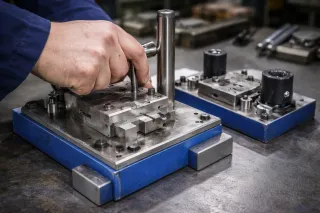
Costs, Lead Times, and Precision
What drives toolmaking cost and toolmaking price on real jobs?
Toolmaking cost is mainly driven by time. That includes design time, machining hours, fitting, and prove-out. Materials and treatments matter too, especially for press tool making and die making services where wear resistance and tool life are critical.
Common cost drivers include:
- Tool complexity: number of stations, moving elements, or interchangeable inserts
- Material selection: pre-hardened steels, hardened tool steels, or aluminium for fixtures
- Accuracy requirements: tight positional relationships, gauge interfaces, and repeatability needs
- Surface finish and treatments: polishing, coatings, nitriding, or specialist finishing
- Proving requirements: try-out runs, sample parts, measurement reports, and iterations
- Bought-in components: clamps, cylinders, sensors, guides, and standard press components
To control toolmaking price, be clear about the minimum requirement for function, not just ideal-to-have features. On Qimtek you can compare toolmaking quotes side by side, and ask suppliers to break out design, build, and proving so you understand what you are paying for.
'Want a clear breakdown and multiple prices? Post your RFQ here.'
What are typical toolmaking lead times, and what affects delivery?
Toolmaking lead times vary a lot, because a simple drilling jig can be turned around quickly, while mould tool making or progressive press tooling can involve multiple iterations and treatments. The key is to agree what “delivery” means: a tool on a pallet, or a tool that has been proved and signed off with samples.
Lead time is usually affected by:
- Design phase: whether you need supplier design, and how quickly design approval happens
- Machining capacity: CNC availability, EDM slots, and grinding capability
- Heat treatment queues: external hardening can add days or weeks if not planned
- Try-out access: press availability or moulding machine time for prove-out
- Changes: late revisions to parts, datums, or quality requirements
A practical approach is to request a staged plan: design completion date, build completion date, and prove-out window. When you use Qimtek to request cnc tool making quotes, you can ask each supplier to state their earliest realistic delivery and what is included. That makes it easier to balance speed with risk.
'Need tooling on a deadline? Upload your RFQ here.'
How do you specify precision for jigs, fixtures, and tooling without overpaying?
“Precision” in tool making is about repeatability and control. You want the tool to locate parts consistently, withstand use, and produce the outcome you need. Over-specifying can drive unnecessary machining and fitting, while under-specifying can create variation and rework.
To get the right level of precision, focus on:
- Datums and location: which faces/holes define the part position in the tool
- Critical features: drilling positions, inspection points, or formed edges that must be held
- Wear surfaces: where hardened pads, bushes, and replaceable inserts make sense
- Access and ergonomics: how operators load parts, clamp, and check alignment
- Measurement method: how you will verify the tool is performing as intended
For jigs and fixtures manufacturing, you may only need repeatability within your process capability, not micron-level accuracy everywhere. For die making services and press tooling, tool life and alignment may matter more than a cosmetic surface finish on non-working areas. In Qimtek RFQs, call out what is critical and what is not, so suppliers can propose a sensible build spec and price accordingly.
'Want suppliers to quote the right spec? Share your requirements here.'
Sourcing Tool Making Through Qimtek
How does Qimtek help you compare toolmaking suppliers without wasting time?
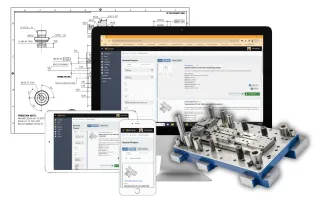
Sourcing tooling is often urgent, and procurement teams do not want to chase multiple companies for replies. Qimtek streamlines that by letting you post one RFQ with drawings and notes, then compare responses from relevant UK suppliers. You can review pricing, lead times, and capability, then deal direct with the supplier you choose.
It works well when you need:
- A fast shortlist of toolmaking suppliers for a new programme
- Additional capacity for a spike in work, without changing your whole supply chain
- Specialist capability such as EDM, grinding, or proving support for press tools
- Custom tooling where you want more than one approach or price point
Because suppliers respond to the same RFQ pack, the cnc tool making services quotes you receive are easier to compare. You can also spot where one supplier includes design and proving, while another assumes you will handle that in-house.
'Want to reach the right UK suppliers fast? Post your RFQ here.'
What should you include in a Drag Drop Source RFQ for tooling?
A strong RFQ helps suppliers quote quickly and reduces clarification cycles. The goal is not to write an essay, it is to provide enough detail for a confident price and a realistic delivery plan.
A simple RFQ checklist:
- Drawings and CAD for the part and any interface surfaces
- A short description of the tooling purpose and the process it supports
- Quantity expectations and expected duty cycle (how often the tool will be used)
- Any standards or preferences (clamp brand, press tool standards, safety requirements)
- Required documentation (material certs, inspection report, samples, or sign-off criteria)
- Delivery postcode and any packaging needs
When you upload to Qimtek Drag Drop Source, you can also ask suppliers to confirm whether they can manage design, assembly, and proving. That keeps toolmaking services aligned with how you plan to run trials and approve the tool internally.
'Want cleaner quotes with fewer questions? Upload your RFQ here.'
How do you choose between quotes for press tools, mould tools, and fixtures?
Lowest price rarely tells the full story in tool making. A quote that looks cheaper can omit proving, assume a different material, or exclude bought-in components. A better approach is to compare like for like and decide based on risk, delivery, and long-term cost.
When reviewing toolmaking quotes, look for:
- Scope clarity: what is included for design, fitting, proving, and adjustments
- Material and treatment: tool steel grade, hardening route, coatings, and wear parts
- Critical interfaces: datums, guides, bushes, and replaceable inserts where needed
- Lead time definition: build only, or proved and signed off with samples
- Support: spares strategy, maintenance guidance, and response if tweaks are needed
For mould tool making, pay attention to cooling, venting, and polishing expectations, as these affect cycle time and part quality. For press tool making, check alignment features and wear components. For jigs and fixtures manufacturing, focus on repeatability, operator access, and clamp reliability. On Qimtek, you can use one RFQ to gather multiple viewpoints, then choose the supplier that fits your production reality.
'Want to compare quotes and choose with confidence? Post your RFQ here.'
If you are ready to move, upload your drawings and requirements to Qimtek Drag Drop Source and get multiple quotes from UK toolmakers, then deal direct to confirm details and delivery.