

If you have features that cutters and mills struggle with, spark erosion can be the simplest route to a part that fits first time. It’s often chosen for hard materials, tight corners, deep ribs, and fine details that would chew up tools or distort during machining.
This page explains what to ask for, what affects cost and lead time, and how to source UK EDM suppliers through Qimtek without endless back and forth. If you already have drawings, you can move straight to quoting and keep everything clear from the start.
Understanding Spark Erosion Services
What is spark erosion, and when is EDM the right choice?
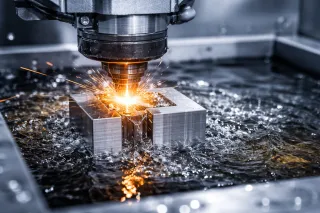
Spark erosion, often called edm machining or electrical discharge machining, removes metal using controlled electrical sparks between an electrode and the workpiece. There is no cutting force, so it is useful when thin walls would deflect, when features are delicate, or when the material is too hard for practical milling.
Common reasons buyers specify spark erosion service include:
- Very sharp internal corners and fine details
- Deep slots, ribs, and narrow cavities
- Machining hardened steel after heat treatment
- Carbide details where conventional tools wear rapidly
- Complex punch and die geometry
- Low distortion requirements
EDM is also a smart option when you want to avoid rework. For example, if a milled pocket leaves a radius that breaks fit, sinker EDM can hold the geometry without forcing a design change.
On Qimtek, you can describe the function, the surfaces that matter, and the critical features. Then you can compare multiple quotes from UK edm suppliers who already run similar work. That keeps quoting realistic and reduces surprises once production starts.
Want multiple quotes without chasing? Post your RFQ here.
What kinds of parts and industries use precision EDM machining?
Precision EDM machining is widely used anywhere accuracy, repeatability, and hard materials matter. Typical use cases include:
- Tooling: punches, dies, mould inserts, ejector details, and wear plates
- Aerospace: complex profiles, thin sections, and high performance alloys
- Medical: small components, tight detail, and difficult geometries
- Motorsport and performance engineering: intricate shapes and heat treated parts
- General precision engineering: prototypes through to repeat batches
On Qimtek you can target suppliers by capability, and you can request specific process routes such as wire erosion, sinker EDM, or a combination with grinding or milling if required. That helps you get quotes that match how the job will actually be made.
Want precision EDM machining quotes fast? Post your RFQ here.
What is the difference between wire erosion and sinker EDM?
EDM covers a few processes, but the two most common are wire erosion and sinker EDM.
- Wire erosion (wire EDM) uses a continuously fed wire to cut profiles through a workpiece. It is ideal for punch outlines, plates, extrusion dies, and precise slots. If it can be cut as a 2D path through thickness, wire erosion is often the first choice.
- Sinker EDM uses a shaped electrode (often graphite or copper) to erode a cavity. It is suited to mould tools, complex pockets, keyways, and features that cannot be produced as a through-cut.
There are also related applications, such as EDM drilling for small holes, but most buyers will be choosing between wire and sinker based on geometry. If you are unsure, include a note in your RFQ stating what the feature does and where the fit matters. Many UK suppliers will suggest the best route and the expected finish and tolerance.
Qimtek makes that suggestion loop quicker because you are not relying on a single shop. You can send the same pack to multiple EDM specialists and compare how each approaches the job.
Need wire or sinker EDM quotes fast? Upload your drawings here.
Which materials suit precision EDM machining?
One of the biggest advantages of precision edm machining is that it works well on materials that are difficult to cut conventionally. Because material removal is driven by sparks rather than mechanical cutting, hardness is less of a barrier. That is why EDM is common in toolrooms and aerospace supply chains.
Typical edm materials include:
- Hardened steel, including tool steels and high hardness wear parts
- Carbide, for punches, dies, and precision inserts
- Titanium, when fine detail or low distortion matters
- Inconel and other nickel alloys, often for high temperature applications
Material still affects speed and cost. Some alloys erode more slowly, and thick sections increase cutting time. If you can share the grade, condition (soft or heat treated), and any coatings, suppliers can give a more accurate quote and realistic lead time.
When posting on Qimtek, include material information in the RFQ notes and on the drawing if possible. That makes spark erosion quotes easier to compare, because each supplier is pricing the same base assumptions.
Ready to price EDM on tough materials? Post your RFQ here.
Costs, Lead Times, and Precision
What drives EDM cost and EDM price on real RFQs?
EDM cost is mostly time-based. Machine time, setup, and consumables (wire, electrodes, filters, dielectric fluid maintenance) all feed into edm price. For buyers, the best way to control cost is to understand what makes a job slow and what can be simplified without losing function.
Key cost drivers often include:
- Part thickness and cut length for wire erosion
- Number of starts and stops, and how many profiles need cutting
- Required edge condition and number of skim passes
- Surface finish requirements on EDM faces
- Number of cavities and complexity for sinker EDM
- Electrode design and how many electrodes are needed
- Material type and condition (for example carbide and Inconel can increase time)
- Inspection requirements and documentation
If you need a quote for spark erosion that is comparable across suppliers, include the details that affect time: thickness, tolerances, finish callouts, and whether you want the supplier to supply material. If you are providing material, mention whether it is already cut to size.
On Qimtek you can request multiple quotes in one go, which is useful because different shops specialise. One supplier may price wire erosion strongly on plate work, while another may be more competitive on sinker EDM with complex electrode builds.
Want a clear breakdown from several suppliers? Upload your RFQ here.
What are typical EDM lead times in the UK, and what affects them?
EDM lead times depend on capacity, job complexity, and whether the work needs tooling such as electrodes. A simple wire erosion job in stock material may be turned around quickly, while a complex sinker EDM cavity with multiple electrodes will take longer even before machining begins.
Factors that commonly affect edm lead times:
- Electrode manufacture time and proving out
- Number of operations (for example rough burn then finish burn)
- Heat treatment steps if the part is not already hardened
- Fixture needs and datum strategy
- How much skim cutting is required for tolerance and finish
- Inspection queue and reporting requirements
- Delivery expectations and whether you need courier or dedicated transport
If the date matters, say so. A supplier may offer options such as prioritised machining, splitting the order, or a staged delivery. It also helps to share whether you can accept an alternative finish or tolerance on non-critical areas, as that can reduce passes and free up time.
Qimtek helps you source UK capacity without ringing around. You can send one RFQ and quickly see which edm suppliers can meet your timeline and which are over capacity.
Need fast lead times? Post your drawings for quotes here.
What EDM tolerances and surface finishes can you expect?
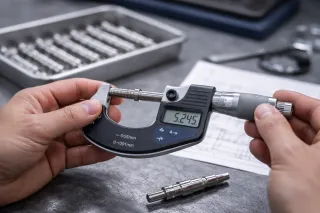
EDM is known for accuracy, but edm tolerances depend on the process, thickness, and how the supplier plans the cut or burn. Wire erosion can achieve very tight geometry on profiles, especially when multiple skim passes are used. Sinker EDM can hold detailed cavities, but finish and accuracy depend on electrode wear, burn strategy, and flushing.
When specifying tolerances, it helps to separate what matters from what does not:
- Call out tight tolerances only on functional dimensions
- Define datums clearly so inspection is consistent
- State any limits on taper, corner condition, and edge break
- Specify surface finish where it affects sealing, sliding, or mould release
Also consider where EDM sits in your overall process. Many parts are roughed by milling and then finished by EDM on key features. If you can share a process note like “EDM finish these faces after heat treat”, suppliers can quote with fewer assumptions.
On Qimtek, suppliers can respond with questions or clarifications against your drawings. That tends to be faster than email chains because everyone is working from the same information pack, and you can compare approaches alongside price.
Want tolerances checked by more than one shop? Post your RFQ here.
How should drawings and RFQ notes be prepared for spark erosion?
A good RFQ for spark erosion reduces questions and improves quote accuracy. EDM suppliers price risk as well as time, so the clearer your pack, the closer your quoted price is to the final cost.
A practical checklist to include:
- 2D and 3D files if available, with the latest revision clearly marked
- Material grade and condition (soft, heat treated, ground, coated)
- Thickness and any pre-machined features that affect clamping
- Critical dimensions and edm tolerances, with datums
- Surface finish requirements on EDM faces
- Quantity and whether this is prototype, repeat, or production
- Any special inspection requirements (FAI, reports, traceability)
- Delivery postcode and required date
If you are requesting both wire erosion and sinker EDM options, note which features are negotiable and which are not. That allows suppliers to propose cost-saving alternatives without risking function.
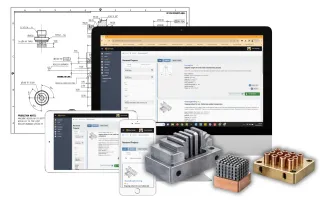
With Qimtek, you can upload drawings once and use the same pack to gather spark erosion quotes from multiple UK suppliers. That saves admin time and makes comparisons much fairer.
Have drawings ready to share? Post your RFQ here.
Sourcing Spark Erosion (EDM) Through Qimtek
How does Qimtek help you find the right EDM suppliers for your job?
EDM is specialist work. Even within electrical discharge machining, some shops focus on wire erosion for plates and profiles, while others are strong on sinker EDM for mould and die cavities. The right match depends on geometry, material, tolerance, and the inspection and documentation you need.
Qimtek helps you reach capable UK suppliers without guessing. You post one RFQ with drawings and requirements, and you can compare responses from suppliers who want the work and can meet the brief. You keep control of who you deal with, and you can ask practical questions before placing an order.
When reviewing quotes, it helps to look beyond the headline number:
- Is the supplier quoting wire erosion or sinker EDM, and does that match the geometry?
- Have they understood the critical datums and inspection plan?
- Are lead times realistic for your required date?
- Have they stated assumptions about material supply or pre-machining?
Because you are comparing multiple suppliers in one place, it is easier to spot when one quote includes extra value (for example inspection reporting) or when a tolerance has been misread.
Want to reach more UK EDM suppliers quickly? Post your RFQ here.
What should you ask suppliers before placing an EDM order?
EDM quotes can look similar on paper, but small differences in approach affect delivery and quality. A short set of questions can reduce risk, especially for first-off or high value tooling.
Useful questions to include with your RFQ or during quote review:
- What process are you proposing (wire erosion or sinker EDM), and why?
- How will you fixture the part and control datums for inspection?
- How many passes or burns are included to meet tolerance and finish?
- Will you supply material, and if so what grade and condition?
- Do you anticipate electrode wear affecting sharp features or corner detail?
- What inspection equipment will be used for the critical dimensions?
- What are the risks, and what would cause a lead time slip?
For production work, also ask about repeatability and how they control electrode manufacture or wire cutting parameters across batches. If your part is safety critical or heavily regulated, clarify traceability and report requirements early.
On Qimtek, you can ask these questions across several quotes and compare answers. That is often faster than waiting days for one supplier to come back with clarifications.
Want to compare answers as well as price? Post your RFQ here.
Can you use Qimtek for both one-off EDM work and repeat supply?
Yes. Buyers use Qimtek for prototypes, tooling repairs, and repeat production parts. For one-offs, the value is speed and access to specialist capacity. For repeat supply, the value is building a reliable route that can cope when your usual supplier is busy or when you need a second source.
If you plan to reorder, include notes that help repeatability:
- Expected annual volume or likely reorder pattern
- Whether you need batch traceability
- Packaging requirements to protect fine edges and surfaces
- Preferred courier arrangements and delivery postcode constraints
When you receive quotes, you can also ask suppliers about capacity planning and whether they can hold parameters for consistent results. This is especially relevant for wire erosion on tight fits, where small changes in cutting strategy can affect size.
If you are looking for a spark erosion services supplier for ongoing work, Qimtek gives you more than one option without committing too early. You can start with a trial order and then scale with the supplier who performs best.
Ready to source a reliable EDM supplier? Post your RFQ here.
If you want to move faster, upload your drawings to Qimtek’s Drag Drop Source and request quotes from UK EDM suppliers in one step. You can compare responses, clarify details, and then deal direct with the supplier you choose.