

Laser cutting is one of the most widely used manufacturing processes in the UK. It is trusted for accuracy, speed, and repeatability across everything from one off prototypes to full production runs. When you need parts cut cleanly, on time, and to drawing, the challenge is not the process itself, it is finding the right supplier with available capacity, the right lead time, fair pricing, and proven capability.
With Qimtek you can quickly match the exact specifications of your project such as material, thickness, tolerance, and finish, with the right supplier and you get to deal directly with them throughout the process.
Ready to start? Send your drawing and a few project details using Drag, Drop, Source to get matched with suitable laser cutting suppliers. Or read on to see how laser cutting services work, what affects cost and lead time, and how Qimtek helps you source with confidence.
Laser cutting capabilities at a glance
Use this as a quick guide to what’s commonly achievable. Suppliers confirm final capability based on your drawing and material grade.
| Material | Typical thickness | Typical tolerance |
|---|---|---|
| Mild steel (S275/S355) | 3–30 mm | ±0.2 mm |
| Mild steel (CR4 / thin gauge) | 0.5–3 mm | ±0.2 mm |
| Stainless steel | ≤30 mm | ±0.2 mm |
| Aluminium | ≤30 mm | ±0.2 mm |
| Brass | ≤20 mm | ±0.2 mm |
| Copper | ≤20 mm | ±0.2 mm |
| Notes: Thickness and tolerance are typical guides and vary by laser type/power, material grade, part size, feature detail and finishing. Reflective metals (brass/copper) are more machine-dependent; specify requirements on the drawing and suppliers will confirm capability. | ||
Using Drag, Drop, Source for laser cutting: what we need to know
Add the details below when you post your request. It helps suppliers confirm capability quickly and come back with accurate lead times and pricing.
What we need to know | What gets the best results |
|---|---|
| Work required | Laser cutting (sheet/profile cutting). Mention deburr or finishing if required. |
| Target dates | “Quote by” and “order by” dates if you have them. If you’re flexible, say so. |
| Material and thickness | Material grade/spec and thickness. If unsure, share the application and suppliers can advise. |
| Finishing / secondary ops (if any) | Deburr, powder coat, anodise, folding, tapping, countersink. If none, say “none”. |
| Drawings / files | DXF/DWG/STEP plus a PDF drawing if available. Include revision info and any notes on critical features. Supported file types.doc, .docx, .dwg, .dxf, .iges, .igs, .jpeg, .jpg, .pdf, .slddrw, .sldprt, .step, .stl, .stp, .tif, .xls, .xlsx, .zip Missing something? Upload what you have and add a note. Suppliers will confirm capability and flag any gaps. |
| Quantity and repeats | Quantity now and expected repeat volume (e.g. “50 now, then 200/month”). Add batch sizes if relevant. |
| Critical requirements (optional) | Only add constraints that affect eligibility (e.g. ISO, inspection records, material certs, NDA). |
Understanding Laser Cutting Services
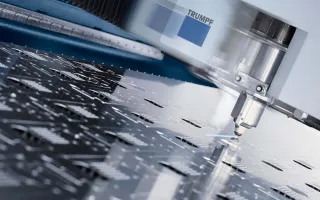
What are laser cutting services used for?
Laser cutting uses a focused beam to cut material with a narrow kerf. It is a good fit when you need clean edges, repeatable parts, and fine detail without the tooling costs of pressing or stamping.
In UK manufacturing, laser cutting is widely used for brackets, panels, enclosures, frames, and complex profiles. It is commonly paired with fabrication steps such as deburring, folding, and finishing where required.
For best results, match the job to the right capability. Material, thickness, tolerances, and finish all affect which suppliers are suitable, and how quickly they can deliver.
Ready to share a drawing? Start Drag, Drop, Source.
Which materials can be laser cut?
Most laser cutting services in the UK focus on metals because they offer the best combination of speed, accuracy, and edge quality for sheet work. Commonly cut materials include mild steel, stainless steel, aluminium, brass, and copper.
Practical limits depend on laser type and power, material grade, and part geometry. As a buyer, the simplest way to get an accurate answer is to specify the material grade and thickness and let suppliers confirm capability.
If you are unsure about grade or thickness, describe the application and any constraints (strength, corrosion resistance, cosmetic finish). Suppliers can advise on suitable options before quoting.
For a quick guide, see the capabilities table above.
Start Drag, Drop, Source and add your material and thickness to get matched to suitable suppliers.
What is the difference between waterjet, laser, and plasma cutting?
Waterjet, laser, and plasma are all profile cutting processes, but they suit different requirements. If you are deciding which process fits, the quickest way to narrow it down is to look at accuracy, edge finish, heat input, and thickness.
- Laser cutting is typically chosen for fine detail, clean edges, and repeatability on thin and medium gauge metals.
- Plasma cutting is often a better fit for thicker steel where speed and cost matter more than fine edge quality.
- Waterjet cutting avoids heat input, which can help with heat sensitive materials or thicker sections, but cycle times can be slower.
If you are not sure which method is best, post the drawing and add a short note about what matters most (edge quality, speed, cost, no heat). Suppliers will advise alongside pricing.
Not sure which process fits? Start Drag, Drop, Source, upload the drawing, and add a note.
Costs, Lead Times, and Precision
What affects laser cutting prices?
Laser cutting prices are driven by a small number of practical inputs. If you include these clearly, suppliers can return accurate quotes faster and with fewer follow up questions.
- Material type, grade, and thickness
- Cut length and number of pierces (complexity)
- Quantity and batch sizes
- Tolerances and critical features
- Finishing and secondary operations (if required)
- Delivery location and required date
Tight tolerances, fine internal features, and cosmetic edge requirements can increase time per part. If only a few dimensions are critical, call those out on the drawing and keep the rest standard.
How fast are typical lead times?
Lead times depend on supplier capacity, material availability, and the amount of machine time required. Simple parts in common materials can often be turned around quickly, while thicker materials, finishing, or high volumes usually take longer.
If your dates are flexible, say so. If you have a hard deadline, include it up front so suppliers can confirm feasibility rather than guessing.
Need a fast turnaround? Start Drag, Drop, Source, add your required date, and upload the drawing.
How accurate is laser cutting?
Laser cutting is known for accuracy and repeatability. Achievable tolerances depend on material, thickness, part size, and feature detail, as well as the drawing data supplied.
For best results, specify tolerances only where they matter for fit, assembly, or function. If you have tight fits, add notes on which faces are cosmetic and which edges must be deburred.
Have critical tolerances? Start Drag, Drop, Source and call them out on the drawing.
Sourcing Laser Cutting Through Qimtek
How does Qimtek help buyers?
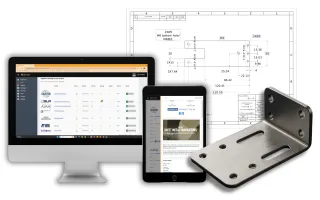
Qimtek connects buyers directly with UK suppliers. You share the job details once and suppliers respond based on real capacity and capability. You then deal direct with the supplier you choose.
This approach works well for custom laser cutting where specifications vary and standard price lists do not apply. It also supports procurement teams who need clear comparisons and audit friendly decision making.
Start Drag, Drop, Source to get matched to suitable suppliers.
Can I get instant laser cutting quotes online?
Some parts can be priced quickly, but many jobs still need a supplier to review the drawing, material, and tolerances before providing a quote. That review is what prevents surprises later.
If your job is straightforward, you may receive fast responses. If it is more complex, you still save time by sharing the information once and letting suitable suppliers respond.
Start Drag, Drop, Source to check feasibility and lead time.
How do I get faster, more accurate quotes?
The checklist above covers the essentials. These tips help suppliers respond faster and keep quotes comparable:
- Call out only the tolerances that are critical for fit or function.
- Separate “quantity now” from expected repeats (and batch sizes if relevant).
- Specify material grade and thickness, plus any cosmetic faces or edge requirements.
- If finishing is needed, list it clearly (deburr, powder coat, anodise, folding).
- Include the required date and say if you have flexibility.