

When you need fabricated assemblies, the challenge is rarely just finding someone who can weld and fit parts together. The real job is finding a supplier that can handle the right materials, the right level of finish, and the right delivery commitment for your build. Whether you are buying one-off frames, repeat welded assemblies, or more complex fabricated metal assemblies with machining, inserts, coatings, or final assembly steps, a clear RFQ and the right supplier shortlist will save time and reduce risk from the start.
Qimtek makes that process easier by helping you compare suitable UK manufacturers for fabricated assembly services. Instead of spending days chasing availability, capabilities, and pricing, you can send one enquiry and review multiple quotes from suppliers that fit the work.
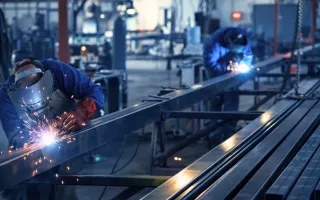
Understanding Fabricated Assembly Services
What do fabricated assembly services usually include?
Fabricated assembly services normally cover more than basic fabrication. Depending on the requirement, suppliers may cut, fold, weld, machine, prepare surfaces, fit bought-out parts, and complete inspection before dispatch. That is why two quotes for what looks like the same assembly can differ so much. One supplier may price only the welded structure, while another includes finishing, threaded inserts, brackets, fixings, powder coating, and packing for line-side delivery.
For buyers, it helps to break the requirement into practical stages:
- material supply and traceability
- cutting, folding, machining, or profiling
- welding method and weld appearance expectations
- surface finish, paint, or coating
- mechanical assembly or fitting of components
- inspection, documentation, and packing
Custom welded and finished metal assemblies are often sourced to reduce internal handling. Rather than buying loose fabricated parts and coordinating several subcontractors, you can buy a more complete assembly that arrives ready for installation or onward build. Through Qimtek, you can compare suppliers that are better aligned to the actual scope, helping you avoid mismatched quotes and late clarifications.
Need quotes without the chasing? Get quotes now.
When are fabricated assemblies a better fit than buying separate fabricated parts?
Buying a completed or part-completed assembly often makes sense when you want to reduce internal labour, cut handling between operations, or improve consistency across repeat builds. If the parts must be aligned, welded in sequence, checked against jigs, and finished to a consistent standard, outsourcing the assembly stage can be more efficient than coordinating separate supply lots.
This is common for support frames, brackets with fitted hardware, machine guards, housings, enclosures, and structural sub-assemblies. It is also useful where welded fabrication assemblies need repeatability across batches, especially when downstream installation depends on hole positions, mating faces, or fixture points being right first time.
Good suppliers will also flag design points that affect buildability, such as access for welding, distortion risk, finish requirements after assembly, or whether some parts should be assembled after coating rather than before. Qimtek helps you reach UK suppliers that can quote on that broader production view, not just the base fabrication.
Want multiple supplier options fast? Get quotes now.
What approvals or certifications should you look for from fabricators?
When sourcing fabricated assemblies in the UK, the approvals you need will depend on the application, the level of risk, and whether the product falls under any regulated standards. Not every job requires formal certification, but it is important to confirm requirements early so suppliers can quote accurately and avoid delays later.
Common UK-relevant approvals and checks include:
Quality management systems (ISO 9001)
Many buyers look for suppliers with ISO 9001 certification. This helps demonstrate that the company has structured processes for quality control, documentation, and repeat production.
Welding qualifications and procedures
For welded assemblies, especially structural or load-bearing work, suppliers may need qualified welders and approved welding procedures. Standards such as BS EN ISO 9606 (welder qualification) and BS EN ISO 15614 (procedure qualification) are commonly referenced.
CE / UKCA marking and EN 1090
If the fabricated assembly forms part of a structural steel product used in construction, it may fall under EN 1090. This standard covers execution of steel structures and is linked to CE or UKCA marking requirements. Buyers should confirm whether this applies before placing an order.
Material certification (mill certificates)
Material test certificates, often to EN 10204 (such as 3.1 certification), may be required to confirm material grade, traceability, and compliance. This is common for structural work, pressure-related components, and stainless steel assemblies.
Coating and finishing standards
Where painting, powder coating, or galvanising is required, buyers may need confirmation that the finish meets relevant standards for corrosion protection and durability, particularly for outdoor or harsh environments.
Sector-specific requirements
Some industries have additional expectations. For example, rail, defence, or aerospace work may involve further approvals, documentation, or supplier audits. Even in general engineering, some customers will require defined inspection records or conformity statements.
For buyers, the key is to state clearly in the RFQ which approvals, certifications, or documentation are required. This helps ensure suppliers price the full scope correctly and avoids selecting a manufacturer that can produce the assembly but cannot meet the compliance requirements.
Ready to compare clear quotes? Get quotes now.
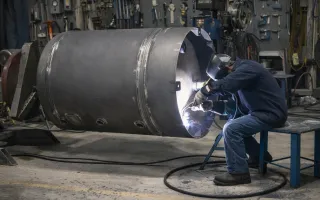
Costs, Lead Times, and Precision
What usually drives the cost of fabricated assembly services?
Cost is shaped by more than material weight and weld length. In many fabricated assemblies, the main drivers are labour content, setup time, finish requirements, and how easy the design is to build consistently. A simple welded frame in mild steel may price very differently from a stainless assembly with tighter fit-up, visible welds, and added bought-out parts.
Main cost drivers often include:
- material type and section size
- number of fabricated parts in the assembly
- welding time and access difficulty
- need for jigs or fixtures
- machining after fabrication
- surface preparation and coating
- inspection and documentation
- batch size and repeatability
- packing and delivery requirements
Custom welded and finished metal assemblies can sometimes lower overall programme cost even if the unit price looks higher than a loose fabrication. That is because you may remove internal assembly time, reduce transport between suppliers, and cut the chance of parts waiting for final fit. Qimtek helps buyers compare quotes in that wider sourcing context, which is often where the best value sits.
Looking for better value quotes? Get quotes now.
How long do fabricated assemblies usually take to produce?
Lead times depend on material availability, fabrication complexity, outside processes, and current workshop loading. Simple fabricated assemblies can move quickly if the material is standard, the drawing pack is clear, and no specialist finishing is needed. More complex welded assemblies often take longer because they need fixtures, staged inspection, subcontract coating, or assembly of bought-out components.
Typical lead time factors include:
- whether the work is prototype, pre-production, or repeat batch
- availability of steel, stainless steel, or aluminium stock
- amount of welding and risk of distortion control
- need for machining, inserts, or threaded features
- outside finishing such as galvanising or powder coating
- final assembly, packing, and delivery scheduling
If timing matters, it helps to state whether you need first-off parts quickly, full batch delivery, or phased call-off. Many buyers benefit from splitting prototype and production quantities in the RFQ, because some suppliers can turn around initial fabricated assemblies faster while others are better suited to repeat supply. Qimtek helps you compare those options early, before you commit to one route.
Need delivery options from several suppliers? Get quotes now.
What level of precision can you expect from welded fabrication assemblies?
Precision in welded fabrication assemblies should always be judged against the function of the finished item. Welded structures move with heat, so not every dimension should be treated the same. The most useful approach is to identify critical features such as mounting points, machined interfaces, slot patterns, or assembly datums, then apply tighter control where it matters.
Buyers should make clear:
- which dimensions are critical to fit or performance
- whether welds are structural, cosmetic, or both
- if post-weld machining is required
- whether jigs are needed for repeat production
- what inspection records are expected
This is especially important with fabricated metal assemblies that combine fabricated sections with machined parts, hinges, panels, or fixings. A capable supplier will advise where tolerances are realistic and where a small design change could reduce cost or improve repeatability. Qimtek helps connect buyers with suppliers that can quote against those real production requirements, rather than pricing from assumptions alone.
Want quotes matched to your tolerances? Get quotes now.
What should you include in an RFQ for fabricated metal assemblies?
A strong RFQ is one of the best ways to get accurate prices and avoid delays. Fabricated assemblies are prone to assumptions, especially when drawings cover only geometry and not the full supply condition. Suppliers need enough detail to understand both the fabrication and the assembly expectation.
Useful RFQ content usually includes:
- general arrangement and part drawings
- BOM showing bought-out items and who supplies them
- material grades and thicknesses
- weld requirements and cosmetic expectations
- tolerances on key dimensions and interfaces
- finish specification
- quantity split between prototype and production
- inspection or certification needs
- delivery postcode and target timing
If the job involves assembly fabrication services with multiple operations, notes on sequence can help too. For example, some features may need machining after welding, or some items may need masking before coating. When you upload a clear RFQ through Qimtek, suppliers can quote with fewer assumptions and buyers get a cleaner comparison across price, lead time, and scope.
Ready to compare clear quotes? Get quotes now.
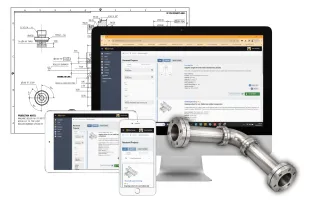
Sourcing Fabricated Assemblies Through Qimtek
How do you choose the right supplier for fabricated assemblies?
The best supplier is not always the cheapest, or the largest. The right fit depends on the job. Some manufacturers are stronger on structural welding and larger frames. Others are better with light fabricated assemblies, tighter cosmetic standards, or assemblies that mix fabrication with machining and finishing.
When comparing UK suppliers, look at:
- experience with similar assembly sizes and materials
- whether they can manage the full scope in-house or through trusted partners
- ability to handle prototype through to repeat production
- communication quality during quotation
- willingness to review drawings and flag build risks
- location, transport, and practical delivery coverage
Qimtek helps streamline that selection step. Instead of relying on one route to market, you can compare quotes from suppliers better aligned to your requirement. That is useful when sourcing fabricated assemblies for ongoing projects, because a supplier that looks competitive on one-off price may not be the best fit for repeat lead times, finish consistency, or assembly control.
Need a better supplier shortlist? Get quotes now.
Can you source both prototypes and repeat production through one enquiry?
Yes, and it is often the best way to test the market properly. Prototype fabricated assemblies may need faster turnaround, more engineering input, or manual adjustments that are not ideal for ongoing batch supply. Repeat work, by contrast, may benefit from fixtures, staged inspection, and agreed call-off scheduling.
Including both phases in one enquiry gives suppliers the chance to quote realistically. For example, they can separate:
- first-off setup and fixture cost
- prototype unit pricing
- repeat batch pricing
- lead times for initial samples and later production
- recommended changes to improve manufacturability
This is valuable for metal assembly fabrication where the first units may reveal practical improvements before larger volumes are released. Through Qimtek, buyers can compare suppliers that are comfortable with development work as well as those set up for repeat supply once the assembly is proven.
Want prototype and production quotes together? Get quotes now.
Why use Qimtek to compare quotes for fabricated assembly services?
Buyers often lose time before manufacturing even begins. Supplier research, repeated RFQ emails, scope clarifications, and quote chasing can slow down the whole procurement cycle. Qimtek reduces that admin by helping you send one requirement and compare responses from suitable UK suppliers.
That gives you a clearer view of:
- price differences based on scope and finish
- lead time options
- supplier capability fit
- whether the job suits a fabrication-led or assembly-led approach
- where direct discussions should happen next
You still deal direct with the supplier, which matters when drawings, revisions, delivery schedules, and technical details need to be discussed properly. For fabricated assembly services, that direct relationship is important because small details can change cost, build sequence, and delivery risk. Qimtek helps you get to those supplier conversations faster and with stronger quote comparisons in front of you.