

Finding the right supplier for punched sheet metal is not only about machine access. It is about matching your drawings to a company that can handle the material, hole pattern, forming detail, quantity, finish and delivery window you need. A simple bracket run, repeat production panels and custom punched sheet metal with secondary operations can all need a different kind of supplier. Qimtek helps you reach UK cnc punching suppliers already suited to the work, so you can compare multiple quotes without sending the same RFQ out one by one.
Understanding CNC Punching Services
When is CNC punching the right choice for sheet metal parts?
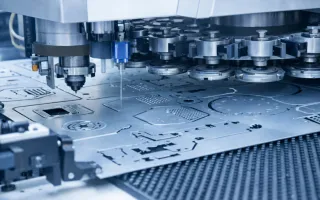
CNC punching is often a strong fit when you need repeatable holes, slots, cut-outs, embosses, louvres or simple formed features in sheet metal. It is widely used for enclosures, covers, brackets, guards, panels and electrical components. For many parts, a cnc punching service can be a practical choice where speed and output matter, especially when the design suits turret tooling.
It can be particularly useful for:
- Medium to high volume production runs
- Parts with repeated hole patterns
- Components needing formed features in the same process route
- Production work where material utilisation and cycle time matter
- Projects where you want cnc punched parts supplied with deburring, bending or finishing
Some geometries may be better suited to laser cutting, especially if the profile is very intricate or the design changes frequently. That is why clear RFQ detail matters. Through Qimtek, you can upload drawings once and compare responses from UK suppliers that offer cnc punching services and understand where turret punching services are the best fit.
Need several quotes without chasing? Get quotes now.
What materials are commonly used for CNC punching?
CNC punching materials typically include mild steel, stainless steel and aluminium, with thickness ranges depending on the machine, tooling and part geometry. These three materials cover a large share of UK subcontract sheet metal work, but they do not behave the same in production. Tool wear, burr levels, marking risk and forming response can all change from one grade to another.
Buyers usually benefit from stating:
- Material grade and temper
- Sheet thickness
- Whether appearance faces need extra care
- Any limits on burrs, marking or edge condition
- Whether follow-on operations are required
If you are sourcing stainless covers, aluminium panels or mild steel brackets, Qimtek helps route the enquiry to suppliers already working with those materials. That saves time and helps avoid quotes from companies that are not set up for your specification. It also gives you a better basis for comparing cnc punching quotes because each supplier is pricing the same information set.
Want matched suppliers fast? Get quotes now.
What types of components can be made using CNC punching?
CNC punching is used to produce a wide range of sheet metal components, especially where repeat holes, slots, cut-outs and formed features are needed. Common examples include brackets, covers, panels, guards, enclosures, trays, chassis parts and electrical back plates. It is also widely used for perforated sheets, ventilation panels and parts with louvres, embosses or simple forms.
Typical cnc punched parts include:
- Mounting brackets
- Control panels
- Electrical enclosures
- Machine guards
- Ventilated covers
- Chassis components
- Back plates
- Perforated panels
The right part for punching usually depends on the material, thickness, feature pattern and volume. Some parts are ideal for turret punching services because they combine speed with repeatability, while others may be better suited to laser cutting if the profile is more intricate. Through Qimtek, buyers can upload drawings and receive quotes from UK suppliers experienced in producing custom punched sheet metal for both prototype and production work.
Need quotes for punched components? Get quotes now.
Costs, Lead Times, and Precision
What affects CNC punching cost and price?
CNC punching cost is shaped by more than sheet thickness alone. Tooling strategy, hit count, material type, part size, quantity and follow-on work can all move the number. A small part with many features may take longer than a larger blank with a simple hit pattern. The most useful way to compare cnc punching quotes is to look at the full manufacturing requirement rather than the unit rate in isolation.
Common cost drivers include:
- Material grade and sheet thickness
- Number of holes, slots and tool hits
- Use of special tooling or formed features
- Part nesting and sheet utilisation
- Burr control or cosmetic handling requirements
- Secondary operations such as folding, hardware insertion or finishing
- Order volume and repeat potential
When you compare multiple quotes through Qimtek, you get a clearer view of how suppliers price the same job. That is useful when you are weighing fast turnaround against long-term repeat supply, or when you want to understand why one cnc punching service looks cheaper at first glance but excludes steps you still need.
Want clearer price comparison? Get quotes now.
What lead times are realistic for CNC punching work?
CNC punching lead times vary with capacity, material availability, order size and the amount of finishing or assembly needed after the punching stage. Prototype parts may move quickly if the drawing is clear and stock is available. Production orders may need more planning, especially where multiple operations are involved or delivery schedules are staged.
Lead time is often affected by:
- Current machine loading at the supplier
- Whether standard material is in stock
- Quantity and batch frequency
- Tooling availability
- Inspection and packaging requirements
- Whether the order includes bending, inserts, coating or assembly
If time matters, it helps to state whether you need a one-off urgent batch, a pre-production run or regular scheduled supply. Qimtek helps by putting your enquiry in front of UK cnc punching suppliers who are actively looking for work and can confirm lead times directly. That gives you a more practical view of what is achievable than relying on generic assumptions.
Need lead times from live suppliers? Get quotes now.
What tolerances and quality points should you check before ordering?
CNC punching tolerances depend on the material, thickness, feature size, sheet condition and the function of the part. Hole position, pitch, flatness and burr level can all matter, but not every job needs the same level of control. A cover panel may have different acceptance criteria from a mounting plate that mates with other components.
It helps to confirm:
- Critical dimensions and datum points
- Acceptable burr level
- Flatness expectations after punching and forming
- Hole quality on thicker or harder material
- Cosmetic requirements for visible faces
- Whether samples or first-offs are needed
Good suppliers will review the drawing and raise questions where tolerance demands are tight for the process. That is valuable early on, because it may highlight where laser cutting or another route is better for a specific feature while keeping most of the job within sheet metal punching. Through Qimtek, you can have those conversations directly with suppliers before placing the work, which helps buyers make a sound decision on process fit and supplier fit.
Need practical feedback on tolerances? Get quotes now.
What information helps a supplier quote CNC punched parts accurately?
The more precise your RFQ, the more useful your returned prices tend to be. A supplier quoting a simple perforated panel needs different information from one pricing folded housings with countersinks, embosses and hardware insertion. Good quoting does not only reduce delays. It also lowers the risk of assumptions creeping into the cnc punching price.
A strong RFQ pack for a cnc punching service should usually include:
- Drawing files with revision status
- Material grade and thickness
- Annual usage, batch size or one-off quantity
- Tolerance requirements
- Cosmetic expectations for visible faces
- Secondary operations such as bending, tapping, inserts or coating
- Delivery postcode and target date
Qimtek makes this easier by letting you upload the job once and share it with multiple suitable suppliers. That gives buyers and engineers a cleaner process for comparing sheet metal punching options, while suppliers receive the information they need to ask sensible follow-up questions instead of making rough assumptions.
Ready to send one RFQ to many? Get quotes now.
Sourcing CNC Punching Through Qimtek
How do you find CNC punching suppliers that fit your job?
The best supplier for one punched part is not always the best supplier for the next. Some are geared toward fast-turn prototypes. Others are stronger on repeat production, high volumes or complete manufactured assemblies. The challenge for buyers is not only finding companies that can punch sheet metal. It is finding those with the right mix of machine capability, material experience, capacity and commercial fit.
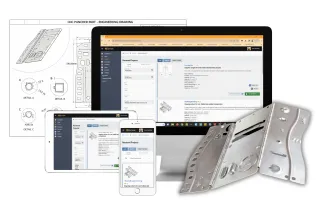
Qimtek helps simplify that search by giving you one route to multiple UK suppliers. Instead of sending separate emails and tracking replies across inboxes, you can upload your requirement once and receive direct responses from companies suited to the job. That is useful whether you are buying simple cnc punched parts or more complex custom punched sheet metal with downstream operations.
Things that often matter when choosing suppliers include:
- Experience with your material and thickness range
- Ability to support prototype or production quantities
- In-house secondary operations
- Location and delivery practicality
- Responsiveness during quotation
- Confidence in handling repeat orders
Want suppliers that fit the brief? Get quotes now.
Can you source prototype parts and repeat production through the same route?
Yes, and that matters more than it first appears. Early prototype work often needs speed, flexibility and drawing feedback. Production supply needs consistency, scheduling and dependable replenishment. When you source both stages through one route, it becomes easier to compare who is useful for development work and who is best placed for ongoing supply.
With Qimtek, you can request prototype cnc punching quotes for sample parts, pilot runs or urgent development work, then return to the same sourcing route when volumes increase. That helps build continuity and reduces the need to restart supplier research from scratch when a project moves forward.
It is also useful for buyers who want to test the market properly. One supplier may be competitive on low-volume runs. Another may be stronger on production batch pricing once tooling strategy and scheduling come into play. Seeing both helps you make a better buying decision.
Need prototype and production options? Get quotes now.
Why use Qimtek instead of contacting suppliers one by one?
Time is usually the first reason. Repeating the same project details to several suppliers takes effort, and it is easy for versions, attachments or assumptions to drift. Using Qimtek gives you one place to submit the RFQ, compare multiple prices and deal direct with suppliers that want the work.
That helps with day-to-day sourcing because you can:
- Keep drawings and quote activity together
- Compare cnc punching price and lead time side by side
- Reduce admin when several suppliers are being considered
- Reach a broader pool of UK manufacturers
- Build a shortlist for future orders
For buyers, it is a practical way to source cnc punching services without slowing procurement down. For engineers, it is a cleaner way to get technical feedback early. For both, it creates a more efficient route to vetted UK cnc punching suppliers that can quote on the actual requirement in front of them.
Ready to compare direct quotes? Get quotes now.
Upload your drawings to Drag Drop Source and receive multiple quotes from UK suppliers that match your cnc punching requirement.